
How Past Trauma Can Impact Your Romantic Relationships?
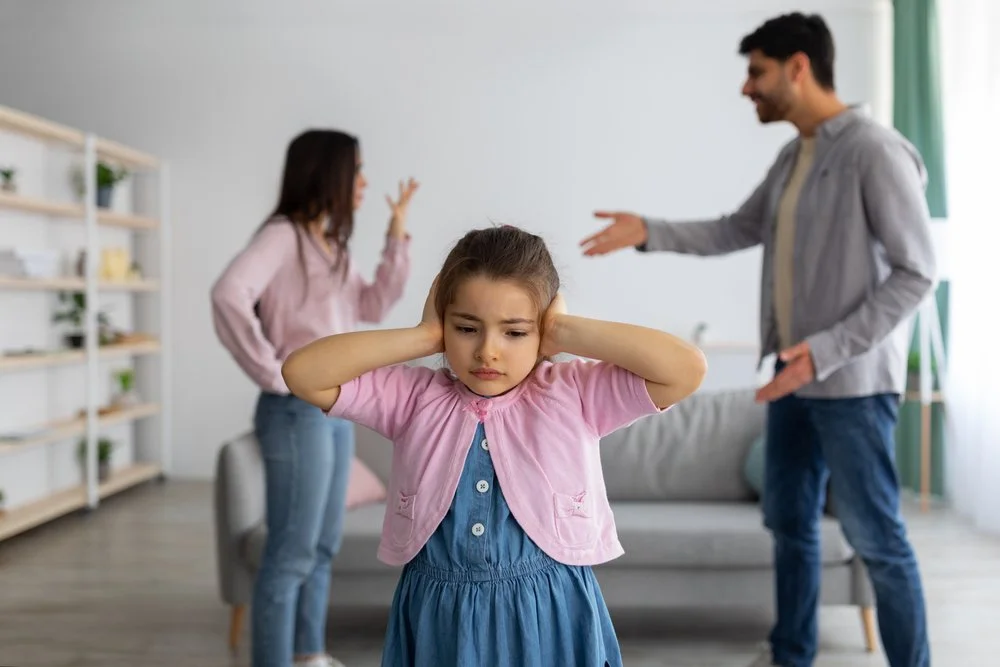
Trauma leaves a deep imprint—not only on our memories but also on how we interact with others. For many, romantic relationships are where unresolved trauma surfaces most intensely. Whether the trauma stems from childhood neglect, emotional abuse, or a significant loss, its lingering effects can shape how we connect, trust, and respond to our partners. Working with a complex PTSD trauma therapist may help individuals explore these patterns and begin the process of healing.
Trust and Vulnerability
Trust issues are among the most prevalent ways trauma manifests in relationships. When someone has experienced betrayal, abandonment, or emotional harm, they may unconsciously protect themselves by avoiding emotional closeness. They could thus become reclusive, too independent, or skeptical of their partner's behaviour. This defensive strategy may cause a gulf to form, which may result in misunderstandings or disputes. A skilled therapist for anxiety and depression may support individuals in identifying where these behaviours come from and how they affect current relationships.
Attachment Styles and Trauma
Early traumatic experiences can shape attachment styles that persist into adulthood. People with avoidant attachment, for example, may pull away emotionally when they feel overwhelmed, while those with anxious attachment may become overly dependent or fear abandonment. These patterns can create a push-pull dynamic in romantic relationships, where both partners feel unsatisfied or misunderstood.
Couples therapy in Vancouver may offer a safe space to explore these cycles. Understanding how past trauma contributes to present behaviours can help couples break out of reactive patterns and begin to build trust and connection.
Emotional Triggers and Communication
Even seemingly little situations might evoke profound emotional responses in trauma sufferers. A forgotten text, a change in tone, or a disagreement may unconsciously remind someone of an earlier traumatic experience. Without realizing it, they may lash out, shut down, or become overwhelmed. These emotional triggers can interfere with healthy communication and may cause partners to feel like they are "walking on eggshells."
A complex PTSD trauma therapist can help clients build awareness of these triggers, manage emotional responses, and develop healthier coping tools. This may also lead to more honest, grounded communication in relationships.
Intimacy and Connection
For many trauma survivors, physical or emotional intimacy can be challenging. Fear of vulnerability, feelings of shame, or dissociation during closeness may create barriers to connection. Trauma often teaches people to disconnect from their own emotions or bodily sensations, which can make it difficult to feel present or safe with a partner.
Through somatic-based approaches and support from a therapist for anxiety and depression, individuals can slowly reconnect with themselves and their bodies. This work may support healthier, more fulfilling intimacy in relationships.
Healing Together
If both partners are open to growth, couples therapy in Vancouver can be a powerful way to address trauma-related challenges as a team. While healing is ultimately an individual journey, relational support plays a key role. Therapy provides tools for understanding each other, strengthening emotional safety, and repairing wounds that show up in the relationship.
Reclaim Your Relationships with Somatic Psyche
Ready to explore how past trauma may be shaping your romantic life? Somatic Psyche, led by Daphne Georghiou, offers compassionate support for individuals and couples. Whether you're seeking a complex PTSD trauma therapist, a therapist for anxiety and depression, or looking for guidance through couples therapy in Vancouver, therapy can help you understand your patterns and move toward deeper connection and healing. Get in touch with us!