
How Cold Weather and Limited Sunlight Can Impact PTSD?
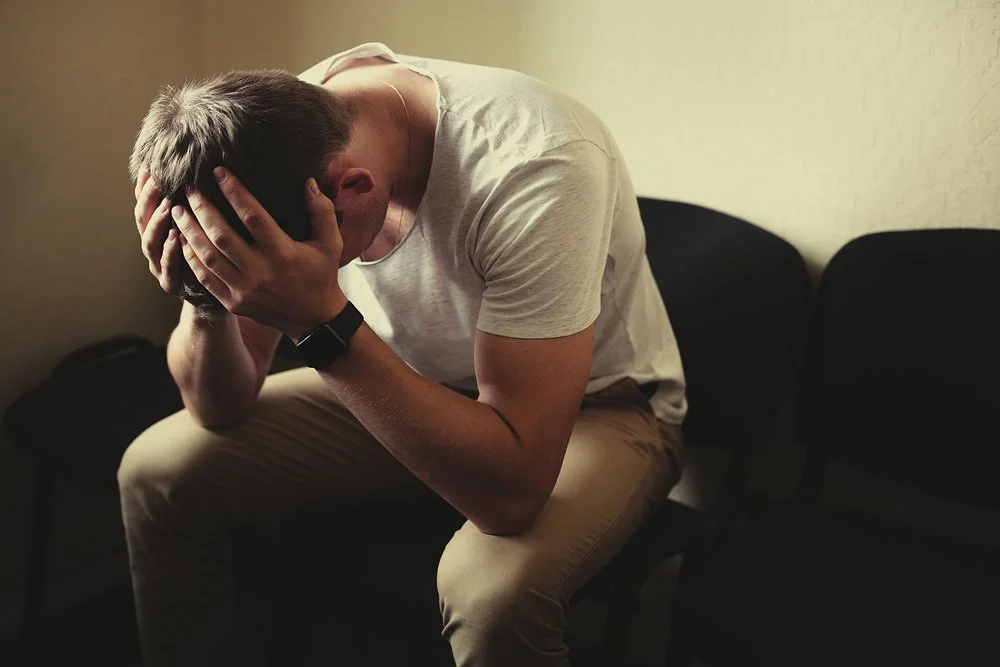
As the winter months roll in, many people experience changes in mood and behaviour, but for those with complex PTSD, these seasonal shifts can be particularly challenging. The combination of cold weather and limited sunlight can exacerbate symptoms and create additional hurdles in the healing journey. Understanding the interplay between the seasons and PTSD can empower individuals to seek the support they need, such as from a complex PTSD trauma therapist or a trauma counsellor in Vancouver.
The Effects of Seasonal Change on Mental Health
Long, dark winter days can contribute to feelings of sadness and isolation. For those already grappling with trauma and its aftereffects, winter can intensify feelings of hopelessness and despair. A lack of sunlight can affect Vitamin D levels, which play a crucial role in mood regulation. This Vitamin D deficiency can lead to seasonal affective disorder (SAD), a condition characterized by recurrent depressive episodes during a particular season.
For those wrestling with complex PTSD, the challenges can be even greater. Symptoms such as anxiety, depression, and irritability can become more pronounced when the environment is less conducive to emotional well-being. Establishing consistent therapeutic support is essential during these times, as a trauma counsellor in Vancouver can provide tools and strategies to manage these heightened symptoms effectively.
Why Seek Therapy in Winter?
Winter's impact on mental health highlights the importance of seeking therapy, particularly for those dealing with trauma. Couples therapy in Vancouver can be beneficial for individuals and partners during these months. Many relationships face strain when one or both partners are battling emotional upheaval. Therapy can serve as a safe space to communicate feelings, develop coping strategies, and strengthen the bond between partners.
Daphne Georghiou, a licensed Marriage and Family Therapist and Registered Clinical Counsellor in Vancouver, emphasizes the importance of addressing unresolved trauma, especially during challenging seasons. "Healing from complex PTSD often requires professional guidance," she notes. "Therapy not only helps individuals cope but also fosters stronger connections in relationships, which can be particularly vital during winter."
Building Resilience in Cold Weather
With the right approach, individuals can learn to navigate the challenges posed by cold weather. Here are some practical strategies to help manage PTSD symptoms during the winter months:
Stay Connected: The winter months can lead to feelings of isolation. Make an effort to connect with friends or family, whether by phone, video chat, or safe in-person meetings. Relationship health is crucial; strong connections can serve as a buffer against stress.
Create a Warm Environment: Comfort plays a significant role in emotional well-being. Create a cozy space in your home with warm lighting, blankets, and soothing scents. Engaging in simple acts that bring pleasure can help counteract negative feelings.
Engage in Playful Activities: Consider activities that can lift the mood—whether it's building a snowman, enjoying a winter hike, or cozying up for a movie night. Quality time spent with loved ones can enhance emotional resilience.
Seek Professional Support: If symptoms become overwhelming, don't hesitate to reach out for help. Working with a complex PTSD trauma therapist can provide a structured plan for healing and growth. Many therapists offer online sessions, making it easier to access support from the comfort of your home.
Mindfulness and Self-Care: Incorporate mindfulness practices into your daily routine. Techniques such as meditation, deep breathing exercises, or even simple stretching can help ground you and alleviate anxiety. Self-care is crucial during challenging times—always prioritize it!
Conclusion
Winter can pose unique challenges for those living with complex PTSD, but it also offers an opportunity for growth and resilience. By seeking support from a qualified trauma counsellor in Vancouver, like Dapne Georghiou at Somatic Psyche, and engaging in meaningful activities with loved ones, individuals can navigate the cold months with greater emotional strength. Remember, healing is a journey, and reaching out for help is a courageous first step towards brighter days ahead.
If you're ready to take that step, consider contacting a qualified professional in your area to begin your healing journey today.