
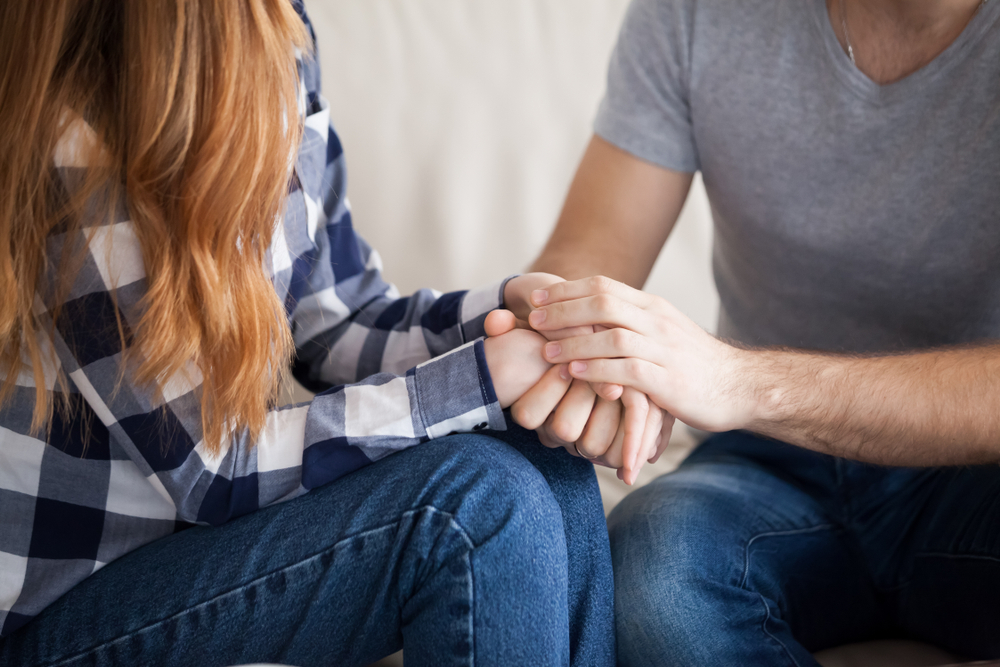
Have you ever found yourself trapped in the exact same argument with your partner, feeling like no matter what you say, you are talking past each other? One person pulls away to protect themselves, while the other pursues harder to seek closeness. These painful patterns rarely come down to simple misunderstandings—they are rooted in our deepest human need: safe emotional attachment.
When seeking couples therapy in Vancouver, many partners start by looking for communication scripts or quick conflict resolution tools. While practical tools help, attachment-based therapy goes much deeper. It gets to the core of why we react the way we do when our bond feels threatened, helping partners create lasting security together.
Understanding Your Relationship Blueprint
Attachment theory, originally developed by psychologist John Bowlby, shows that the emotional bonds we formed with primary caregivers early in life create an internal blueprint for adult intimacy. If early emotional needs were met consistently, we tend to develop a secure attachment style. However, if early relationships involved unpredictability, emotional distance, or instability, we may adapt through anxious, avoidant, or disorganized attachment strategies.
When stress or conflict arises in a romantic relationship, these attachment patterns take over:
Anxious attachment: Often shows up as an intense fear of abandonment or emotional disconnection, leading a partner to pursue, double down, or demand reassurance.
Avoidant attachment: Often shows up as a need to retreat, stonewall, or rely strictly on oneself to avoid feeling overwhelmed or controlled.
Attachment-based couples therapy helps both partners step out of the cycle of mutual blame. Instead of seeing your partner as the enemy, you begin to see the cycle itself as the obstacle—recognizing intense reactions for what they truly are: distress signals longing for connection and emotional safety.
The Unspoken Influence of Stored Trauma
Our attachment responses rarely exist in a vacuum. Unresolved relational wounds, family instability, or past boundary violations heavily shape how safe we feel with an intimate partner today.
For individuals navigating stored trauma or childhood neglect, working with a complex ptsd trauma therapist offers critical insight into how the nervous system responds under pressure. When unresolved emotional pain is present, everyday relationship friction can trigger an automatic fight, flight, freeze, or fawn response. Standard communication techniques often fail in these moments because a dysregulated nervous system cannot process complex logic.
Connecting with an experienced trauma counsellor in Vancouver allows couples to slow down, notice somatic triggers, and heal the underlying wounds driving current friction. By bringing body-based (somatic) awareness into attachment work, partners learn how to co-regulate, soothe their physical states, and respond to each other with empathy rather than defence.
Supporting Mental Health as a Team
Relationship strain does not happen in isolation. Chronic conflict in a primary partnership often amplifies individual struggles with overwhelm, low mood, or nervous system exhaustion. Working alongside a therapist for anxiety and depression helps address how individual mental health interlocks with relationship dynamics.
Attachment-based therapy turns the relationship into a source of support rather than a trigger for distress. When both partners feel seen, validated, and secure, the home environment becomes a safe haven to weather life’s broader challenges together.
Rebuilding Your Bond at Somatic Psyche
Attachment-focused couples work transforms how you relate by helping you:
Express Core Needs: Move past surface-level arguments to share underlying vulnerabilities ("I feel invisible" or "I'm afraid of losing you").
Build Emotional Safety: Create a predictable, compassionate foundation where both partners feel secure expressing their true selves.
Master Rupture and Repair: Learn to mend disconnects swiftly and meaningfully, turning conflict into an opportunity for closer connection.
If you are ready to move out of reactive cycles and cultivate a deeper, more resilient partnership, support is available. At Somatic Psyche, Daphne Georghiou integrates somatic wisdom, trauma-informed care, and attachment theory to guide individuals and couples toward lasting healing and genuine connection.